Creamy Scrambled Quail Eggs with Truffle: 10 Min

Table of Contents
Scrambled quail eggs with truffle make a small, rich starter. Gentle heat keeps the eggs tender, and the truffle is added at the end so its aroma stays at the centre of the dish. Prepare the accompaniments before cooking the eggs: this recipe is best served as soon as it leaves the pan.
List of Utensils #
- A non-stick pan (affiliate link)
- A whisk or a fork for beating the eggs (affiliate link)
- A silicone spatula (affiliate link)
- Small bowls for serving (affiliate link)
Recipe #
Ingredients #
- 12 quail eggs
- 2 tablespoons cooking cream (about 30% fat)
- 15-20 g fresh black truffle (Tuber melanosporum)
- Fine salt and freshly ground black pepper
- 1 tablespoon butter for cooking
- A few chives, finely chopped, for garnish
Instructions #
Estimated total time: 10 min with the steps performed in sequence, including cooling and serving.
-
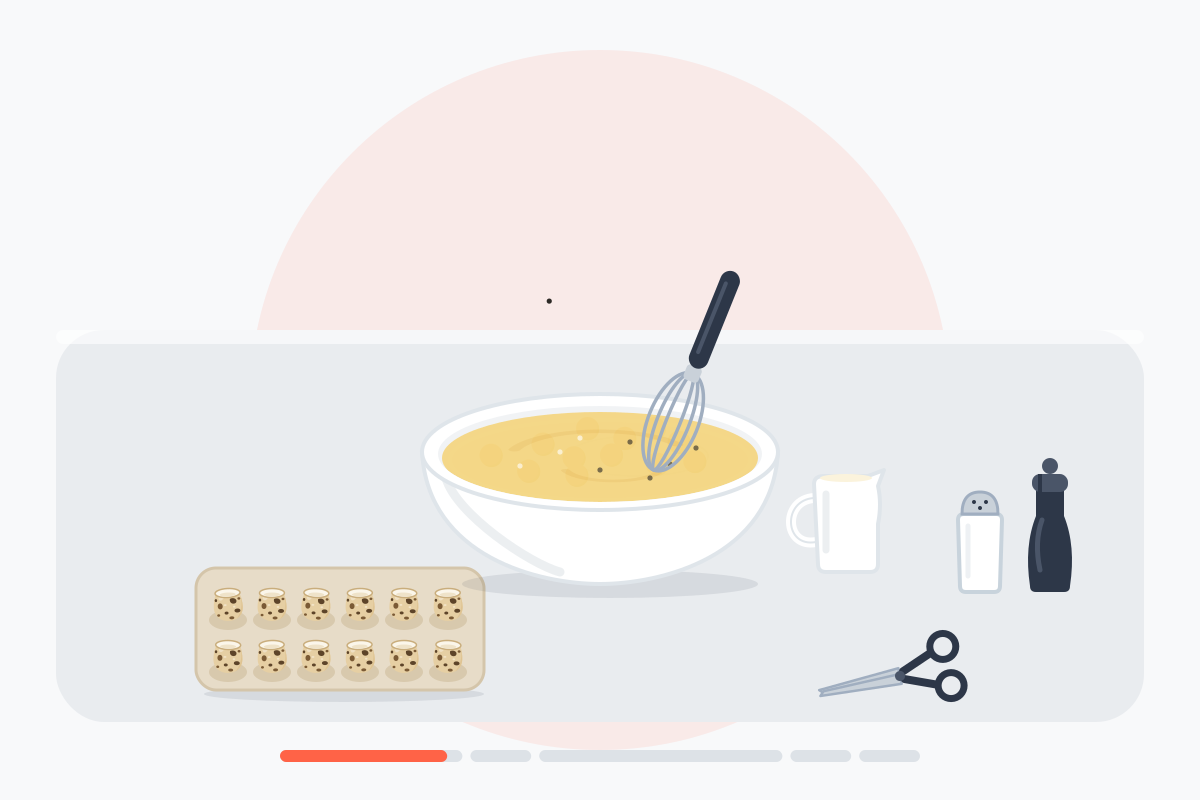
Prepare the eggs: Open the 12 quail eggs one at a time, ideally over a bowl: cut through the shell and the thin membrane with quail egg scissors or a small sharp knife, then check that no shell fragments have fallen in. Add the cream, a pinch of salt and a few turns of pepper, and whisk until the mixture is smooth and uniform. Move straight on to cooking: do not leave the raw mixture waiting. Estimated duration: 3 min.
-
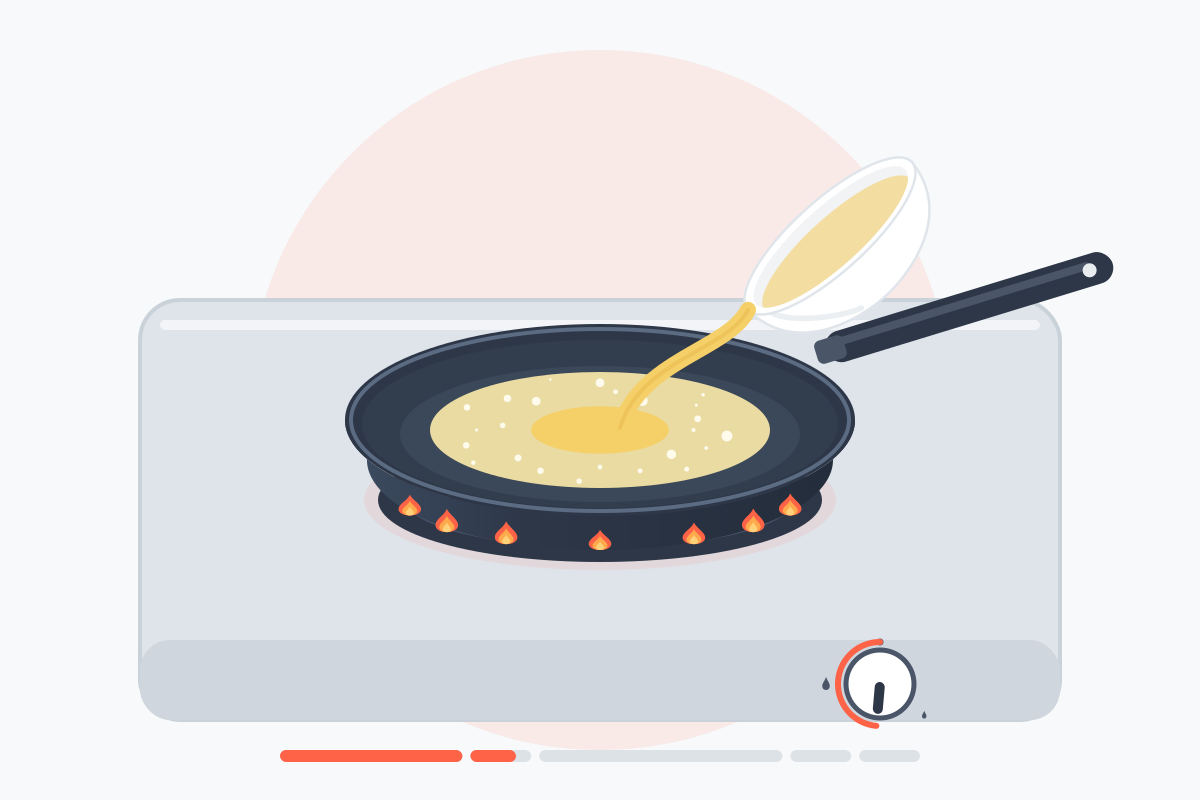
Start cooking: Melt 1 tablespoon of butter in a non-stick pan over medium-low heat until it foams without browning, then pour in the egg mixture. Estimated duration: 1 min.
-
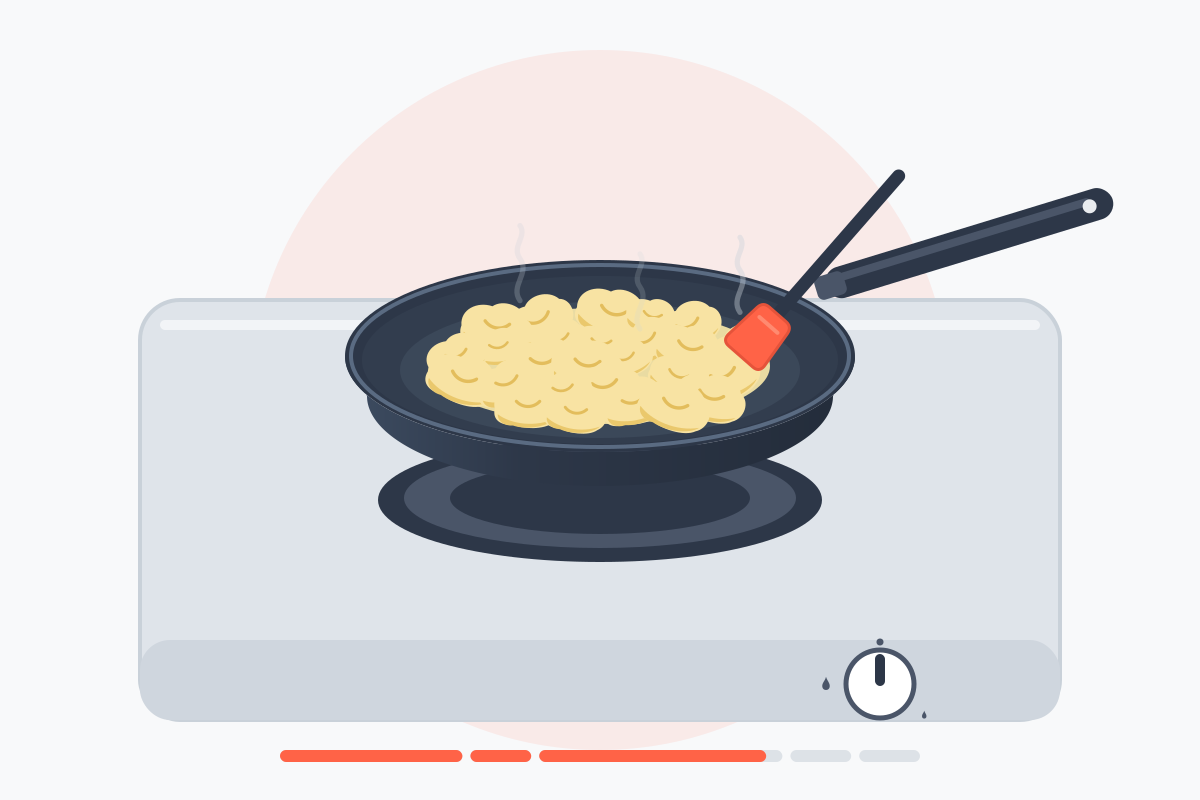
Scramble the eggs: Let the mixture sit for a few seconds without touching it. As soon as the edges start to set, use a silicone spatula to push the eggs gently towards the centre, forming small, soft curds. Take the pan off the heat when no liquid egg is visible: the curds should be moist but set. The residual heat finishes the cooking. Estimated duration: 4 min.
-
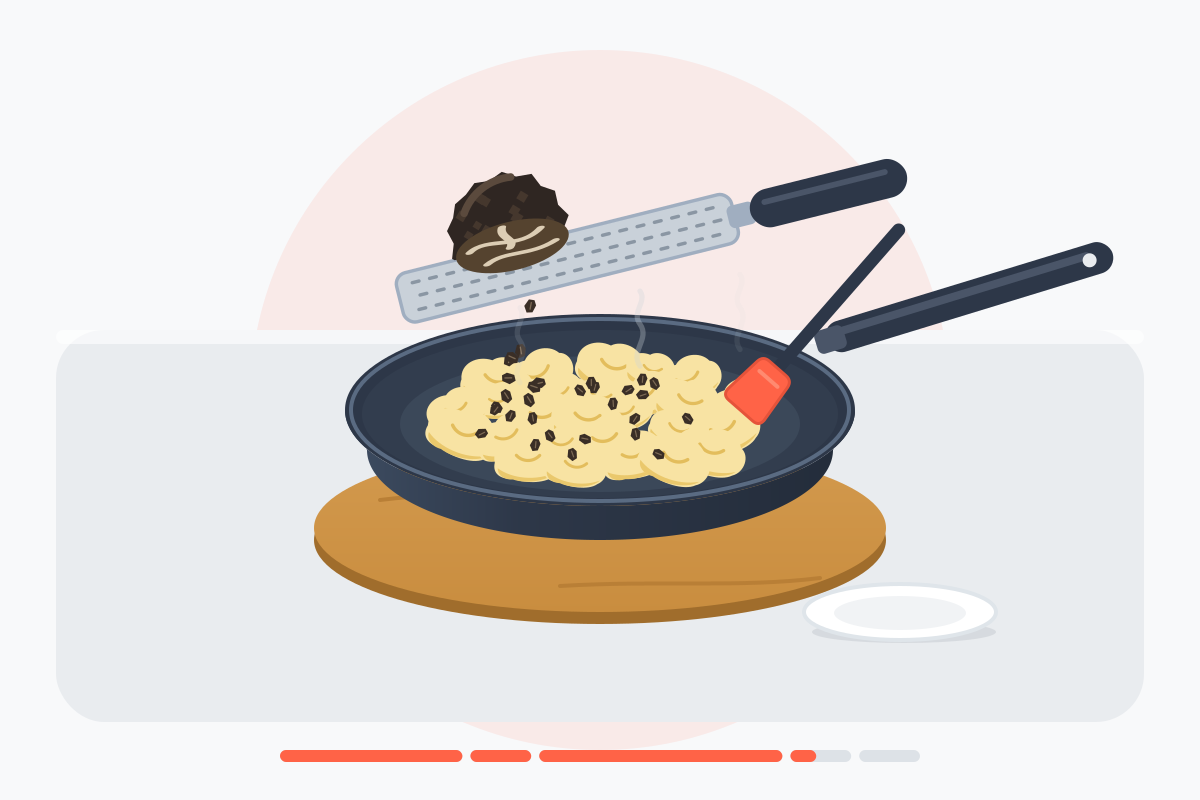
Add the truffle: Off the heat, grate half of the fresh black truffle over the hot eggs and fold it in gently. The aroma is released straight away. Estimated duration: 1 min.
-
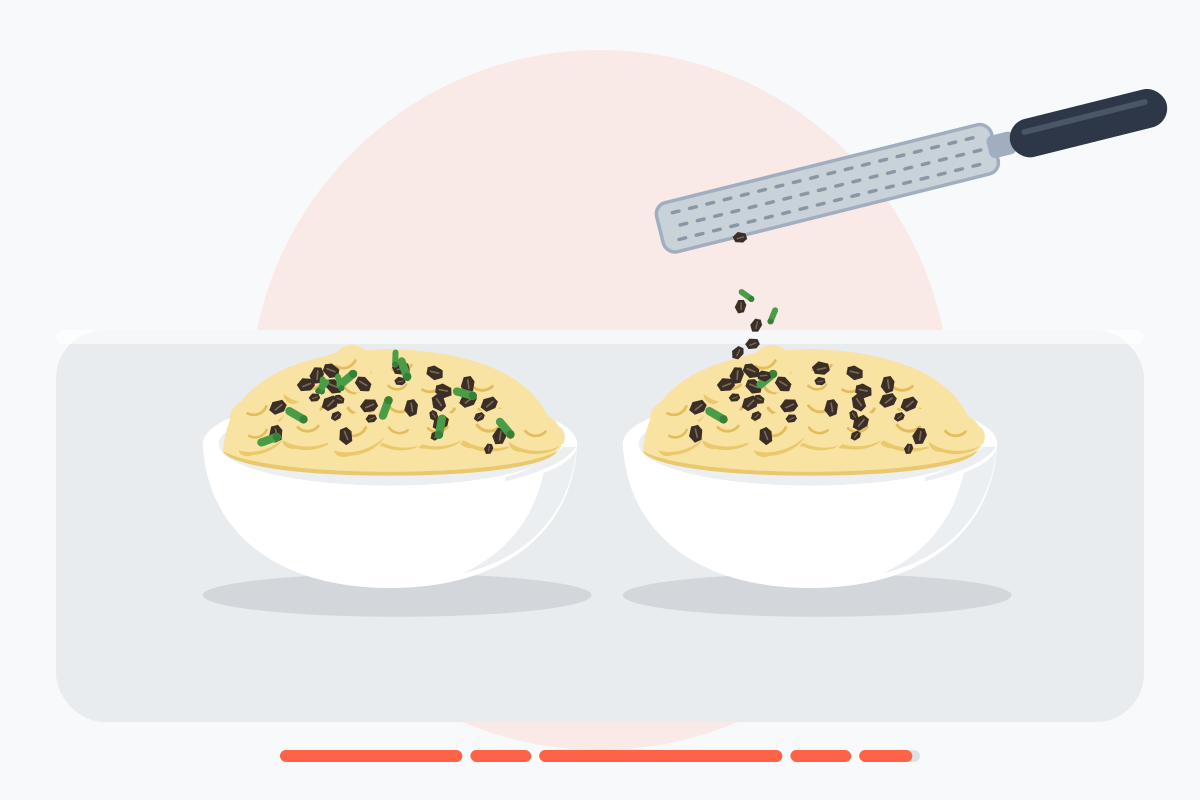
Plate and serve: Divide the scrambled eggs straight away between two plates or bowls. Grate the remaining truffle over the top, scatter over the chopped chives and serve without delay. Estimated duration: 1 min.
Tips #
- For an even tastier dish, serve these scrambled eggs with buttered toast or on a bed of young greens.
- Adjust the amount of truffle according to your taste and budget. Even a small amount of fresh truffle can transform this dish into a memorable starter.
- Take the pan off the heat as soon as no liquid egg is visible: the curds should be moist but set, and the residual heat finishes the cooking. The creamy texture comes from the cream and the gentle heat.
- Cook quail eggs thoroughly for everyone, particularly young children, pregnant women, older adults and people with weakened immune systems: public-health authorities (for example ANSES in France) advise these people against raw or undercooked eggs, and the Food Standards Agency recommends this for eggs from birds other than hens. The curds must be set, with no liquid egg visible. Cook the raw mixture right after whisking it; do not keep it waiting.
Get ready to dazzle and enjoy every moment with this simple yet spectacularly refined dish. Bon appétit!
Gentle heat for a creamy texture #
The key is taking the eggs off the heat before they become dry. Use a pan suited to this small quantity of eggs: a very wide pan spreads the mixture into a thin layer and makes it set faster. Keep the spatula and serving dishes within reach before starting, as the texture changes quickly near the end of cooking.
Mix the eggs and cream until there are no long strands of white. In the pan, gently bring the set portions towards the centre, reaching into the corners as well. The movement should form small, soft curds without pressing the mixture against the base. If the eggs set too quickly, lift the pan off the stove for a moment and keep stirring with the remaining heat.
Judge doneness by what you see, not by shine: no liquid egg should remain, either in the pan or pooling on the plate. The curds should be moist but set, soft enough to spoon onto a plate without being dry or rubbery. The creamy texture comes from the cream and the gentle heat, not from undercooked egg. The pan keeps transferring warmth after you take it off the stove, so lift it away as soon as the last liquid egg has disappeared.
Let the truffle stand out #
Fresh eggs, cream and black truffle added at the end of cooking form the basis of this dish. Prepare the grater and truffle before heating the pan. Off the heat, finely grate half of the truffle into the eggs, then save the other half to grate over the plates. Adding the garnish directly to the dishes makes it easier to share the truffle evenly between guests.
With truffle oil, start with a few drops off the heat and adjust after tasting. The listed amount of fresh truffle should not be replaced with the same weight of oil: the products have different strengths. Keep the pepper restrained too, so it does not cover the main aroma.
Variations and preparation #
Without fresh truffle, use the truffle oil alternative described in the FAQ. For a herb version, simply replace the truffle with extra chives: the flavour changes, but the gentle cooking technique stays the same.
Prepare the accompaniments separately and before the eggs. Toasted bread fingers or already cooked asparagus work better than a garnish that still needs cooking at the last moment. If you increase the quantities, use several small batches instead of a very thick layer. This takes longer and makes it easier to watch the texture; the displayed estimate applies only to the quantities in the basic recipe.
For more on choosing eggs, storage and different cooking methods, see our complete guide to quail eggs .
Serving ideas and cooking techniques #
For a brunch or buffet, try potato nests with quail eggs ; for individual portions, quail eggs sunny side up on toast ; and for a different flavour, mini-quiches with quail eggs . To understand the ingredient and its uses, consult our complete guide to quail eggs .
For a very different take on soft, tender eggs, try tamagoyaki, the Japanese rolled omelette cooked in thin layers , lightly sweet and quick to make once the dashi is ready.
For an everyday version with chicken eggs, butter and chives, see our creamy scrambled eggs in 12 minutes , after reading the food safety advice first.
Frequently Asked Questions #
What’s the easiest way to crack quail eggs? #
Quail eggs have a tougher shell than you’d expect, with a firm membrane underneath. Use a sharp small knife or special quail egg scissors to cut cleanly through the shell and the membrane, ideally over a bowl, then check that no shell fragments have fallen into the eggs.
What can I use instead of fresh black truffle? #
If fresh truffle is out of budget or season, add a few drops of truffle oil at the end of cooking, off the heat, and taste before adding more. The oil is strongly flavoured and does not replace fresh truffle weight for weight; the taste will differ from fresh truffle.
What pairs well with scrambled quail eggs and truffle? #
Keep it simple to let the truffle shine. Blanched asparagus, young salad leaves, or brioche toast make perfect accompaniments.
Can I prepare this recipe in advance? #
No, this dish should be prepared fresh. Scrambled eggs lose their creamy texture quickly when cooled and don’t reheat well. The raw egg mixture should not wait either: whisk it just before cooking, and always cook the eggs thoroughly. Preparing the ingredients only takes a few minutes, so do everything at the last moment.