Golden Mini Quiches with Quail Eggs: 39 Min

Table of Contents
Get ready to charm your guests with these adorable Mini Quiches with Quail Eggs, a little touch of elegance that transforms any aperitif or buffet into a special moment. These quichettes are the perfect meeting between just-right pastry dough, a crave-worthy filling, and a tiny quail egg proudly sitting on top. To ensure the success of this recipe, it’s helpful to know the proper quail egg cooking time to achieve the perfect texture. A true little pleasure to savor, promising to bring smiles and add a touch of sophistication to your table without seeming too fussy. Shall we start the preparation?
List of Utensils #
- Mini quiche or tartlet molds (affiliate link)
- A rolling pin (affiliate link)
- A mixing bowl (affiliate link)
- A spoon or ladle for pouring the quiche mixture (affiliate link)
- An oven, preheated as needed for the recipe
Recipe #
Ingredients #
- 1 teaspoon of oil for greasing metal moulds
- 1 roll of shortcrust or puff pastry
- 8 quail eggs
- 100 ml of heavy cream
- 50 g of grated cheese (Emmental, Gruyère, or a mix)
- 50 g of cooked, drained bacon pieces or cooked ham cubes
- Salt, pepper, and nutmeg to taste
- Fresh herbs for garnishing (chives, parsley)
Instructions #
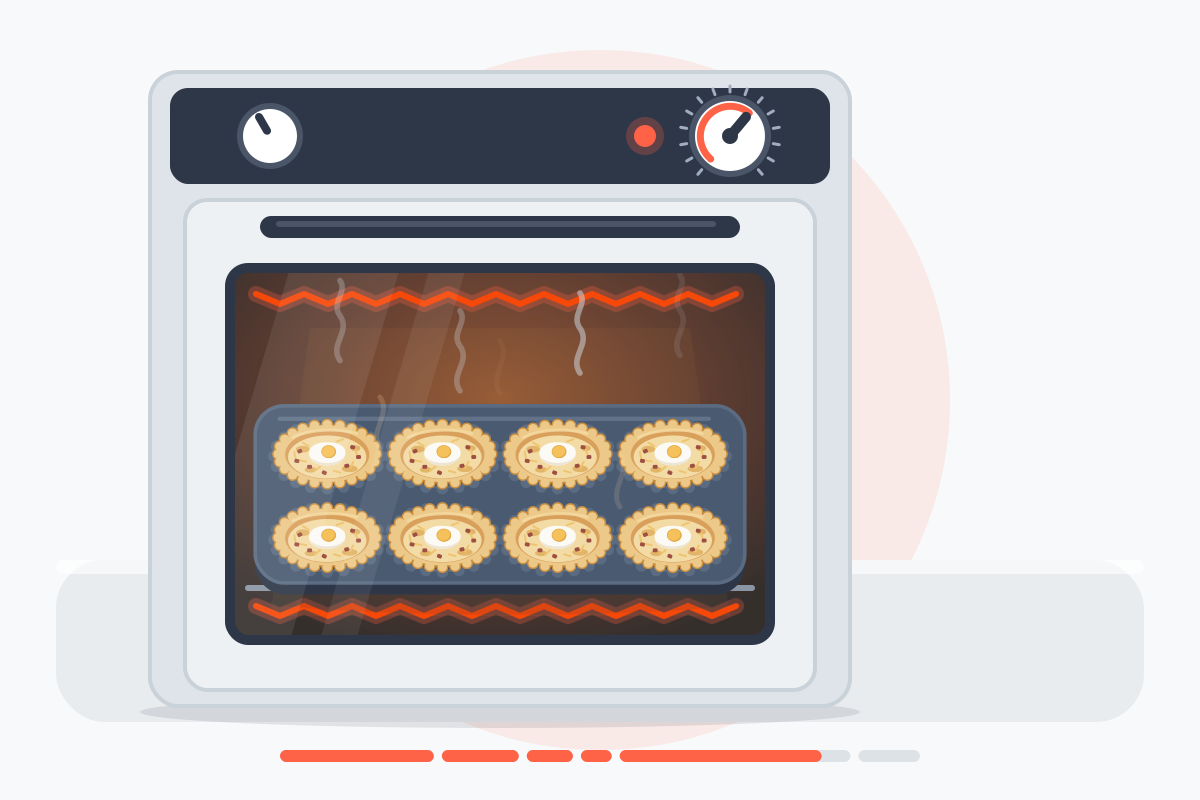
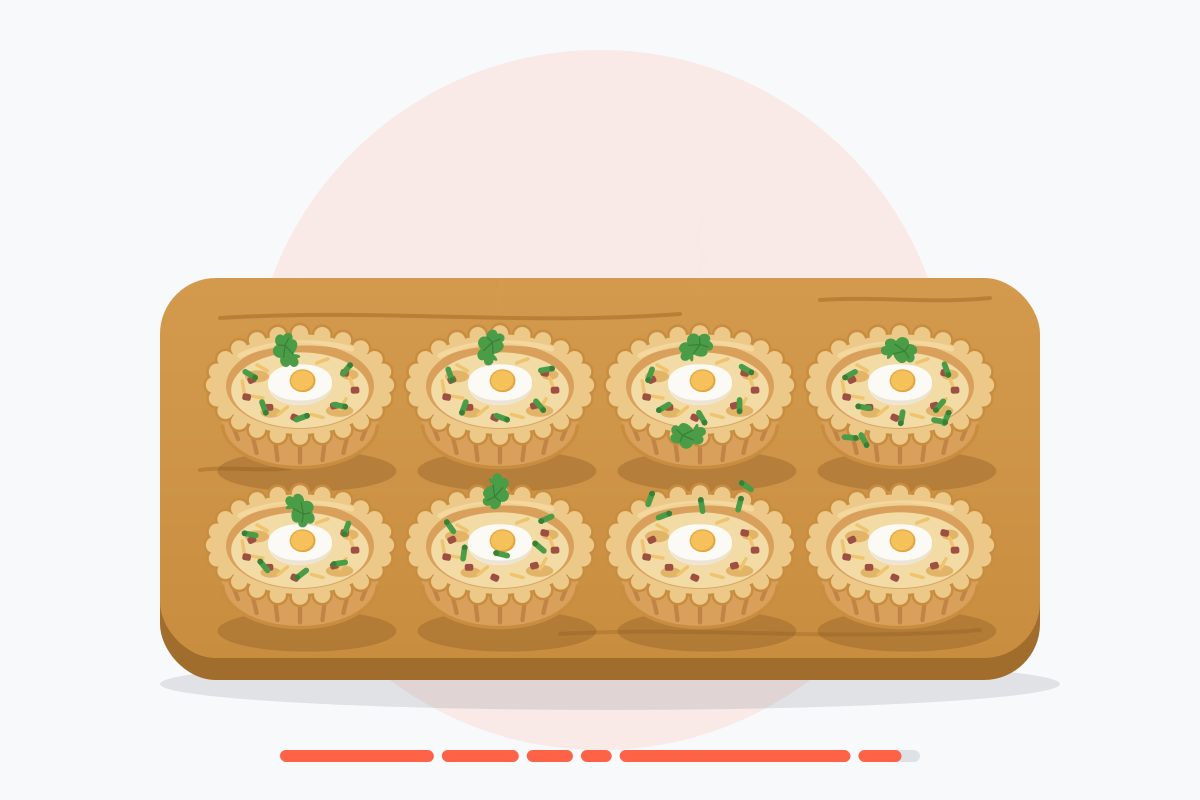
Estimated total time: 39 min with the steps performed in sequence, including cooling and serving.
-
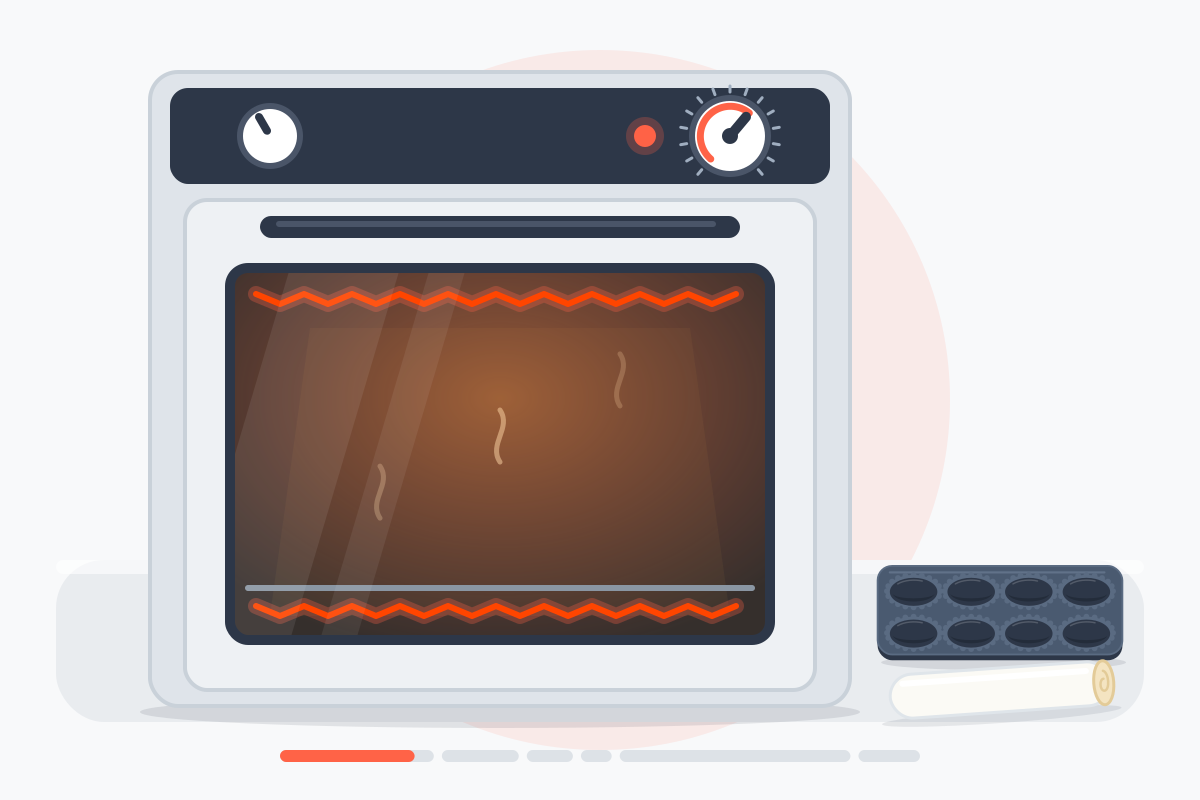
Preheat the oven: Preheat the oven to 180°C (356°F) so it is fully hot when the quiches go in. Estimated duration: 10 min.
-
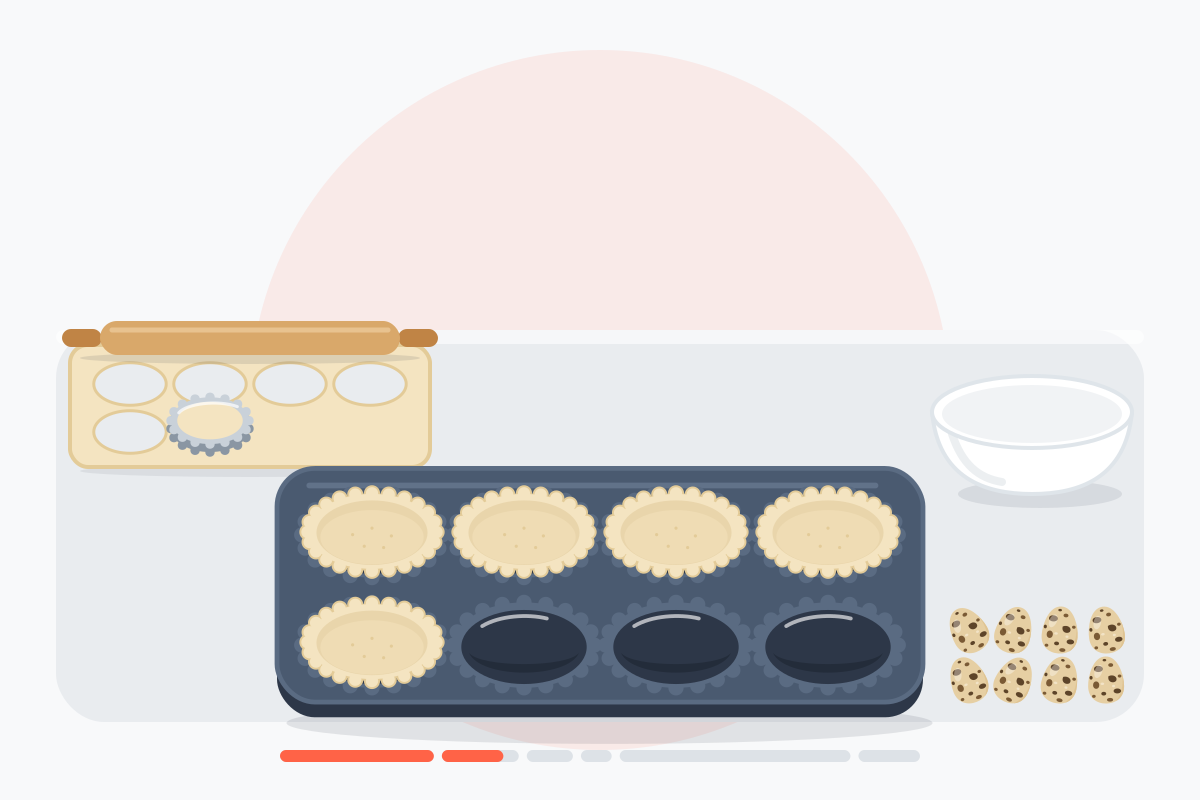
Prepare the quiche bases: Roll out the pastry dough and cut out circles to fit the size of your mini quiche moulds. For metal moulds, grease them with the listed teaspoon of oil, then line each mould with a circle of dough. Estimated duration: 5 min.
-
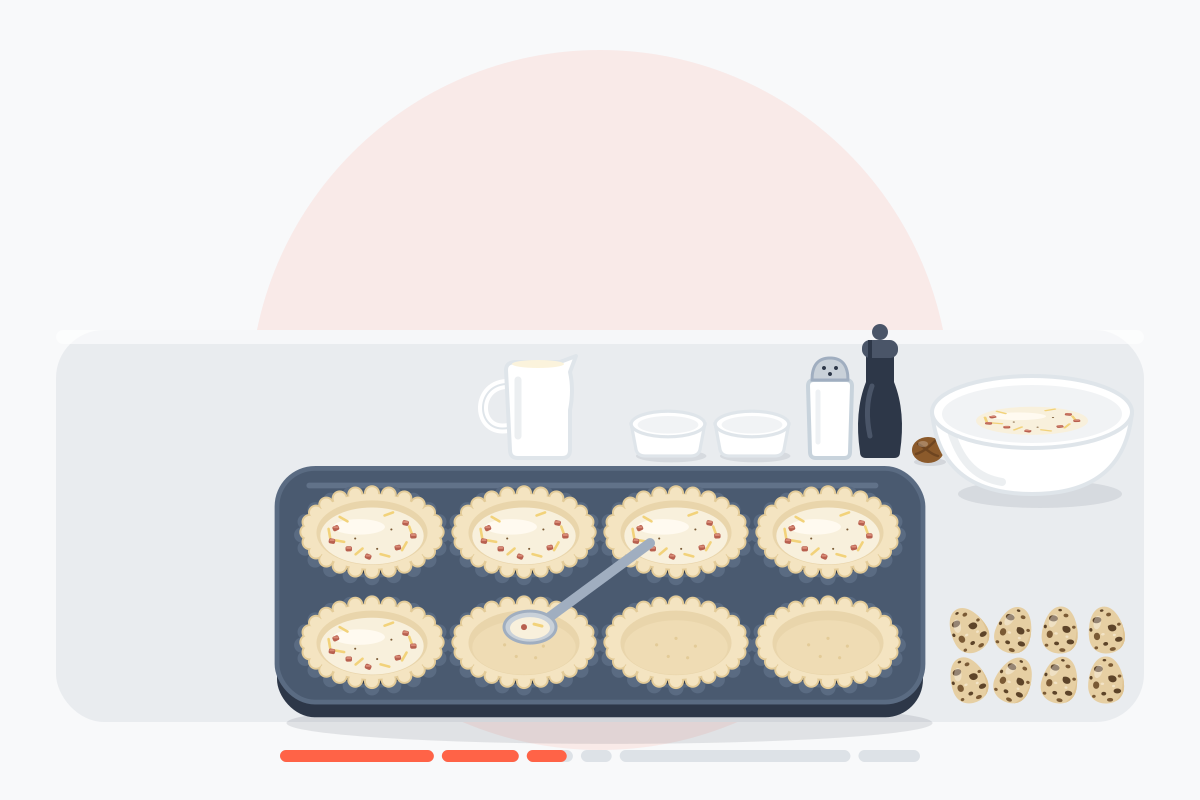
Prepare the quiche mixture: In a bowl, mix together the heavy cream, grated cheese, and the bacon pieces or ham cubes (already cooked and drained), and season with salt, pepper, and a pinch of nutmeg. Pour this mixture onto the prepared pastry bases, without completely filling them. Estimated duration: 3 min.
-
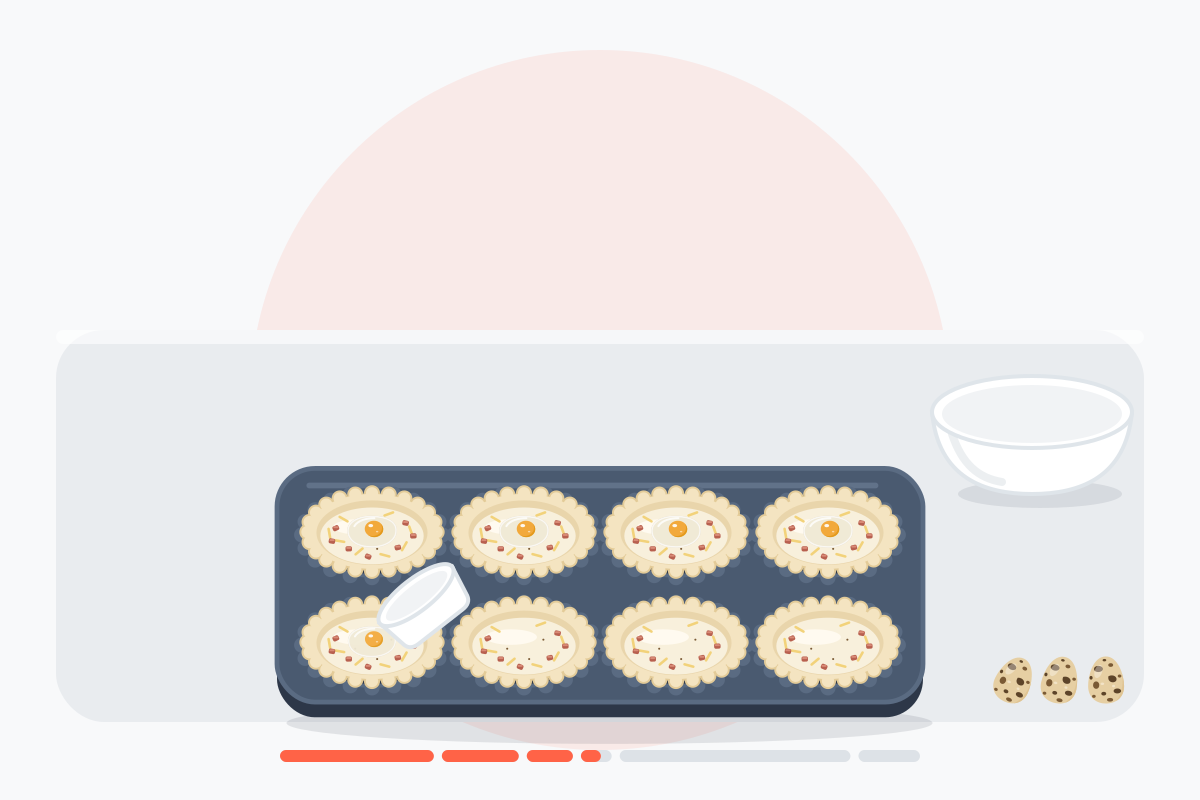
Add the quail eggs: Crack each quail egg into a small bowl, remove any shell fragments, then gently slide it into the centre of a filled mini quiche. Estimated duration: 2 min.
-
Baking: Bake in the preheated oven at 180°C (356°F). Start checking after 12 minutes: the pastry must be golden, the filling set, and both whites and yolks fully set. The allotted 15 minutes are an estimate; bake longer if needed, which increases the total. Estimated duration: 15 min.
-
Rest, unmould and serve: Rest the quiches in their moulds for 2 minutes. Then allow 1 minute to lift them out gently with a small spatula and 1 minute to garnish with fresh herbs and serve. Estimated duration: 4 min.
These mini quiches with quail eggs are not only a treat for the eyes but also for the taste buds, offering a taste experience where each bite is a promise of delight. To discover other techniques, our quail egg cooking method will be very useful. Enjoy!
Tips #
- Cook quail eggs thoroughly, with both whites and yolks fully set, for everyone. The Food Standards Agency recommends this for eggs from birds other than hens. The illustrations do not show doneness: check the yolks on the quiches themselves. Follow the cooling and storage guidance for leftovers.
Prepare even pastry cases #
Shortcrust pastry gives a crumbly base, while puff pastry rises more. With either pastry, cut circles a little larger than the base of the moulds so they can cover the sides. Set each circle in place without stretching the dough: stretched pastry shrinks during baking and can allow the filling to overflow.
Press gently into the corners with your fingers or the back of a small spoon. Lightly grease metal moulds with the listed oil before lining them. Keep the pastry cool while dividing up the filling; if it becomes very soft, return it briefly to the refrigerator. Any extra resting time adds to the recipe’s estimated duration.
Divide the filling and add the eggs #
Mix the cream and cheese before dividing the filling between the eight pastry cases. Stir again if the cheese settles at the bottom of the bowl, so the last quiches get the same filling as the first. Leave room for the quail egg: filling right to the rim causes an overflow as soon as you add it.
Ham can be mixed in as small cubes. If you choose raw bacon pieces, cook them separately and drain them before mixing them with the cream; this extra preparation is not included in the basic timing. Check the seasoning before adding the eggs, allowing for the salt already present in the cheese and meat.
Open each egg into a small bowl, remove any shell fragments, then pour it into the centre of a quiche. A small spoon can guide the white, but do not push on the yolk. Put the moulds on a stable baking tray so you can move them together without spilling the filling.
Baking and removing from the moulds #
Watch both the colour of the pastry edge and the setting of the white. The size and material of your moulds affect baking: the minutes given are a guide, not a substitute for watching the food. If the top colours quickly, avoid extending the cooking just to get very dark pastry. The 2-minute rest, unmoulding and garnishing are included in the 4-minute final step. If the quiches are still fragile, wait longer and add that time to the total.
Variations and presentation #
For a meat-free version, leave out the bacon and add a little chives to the cream. Cooked, well-drained mushrooms are another possible filling; do not add them raw, because they can make the pastry base wet.
For a buffet, arrange the quiches on a shallow platter without stacking them. Add the herbs when serving and keep sauces alongside. For a meal, serve two small quiches with a salad instead of adding more filling. These variations change the accompaniments while keeping the same pastry preparation and egg cooking method.
For more on choosing eggs, storage and different cooking methods, see our complete guide to quail eggs .
Serving ideas and cooking techniques #
For another individual serving, try potato nests with quail eggs ; for a richer flavour, try scrambled quail eggs with truffle . The complete guide to quail eggs explains the ingredient and its cooking uses.
Frequently Asked Questions #
Can I make mini quiches ahead of time? #
Yes. Prepare the pastry bases and filling ahead and keep them refrigerated; add the eggs just before baking. After cooking thoroughly, cool the quiches and refrigerate within 2 hours at 5°C or below. Eat within 48 hours and reheat until hot throughout.
How do I centre the quail egg yolk and keep shell out? #
Crack each egg into a small bowl first, remove any shell fragments, then gently slide it into the centre of a filled quiche. Work slowly and do not push on the yolk.
How do I know when the mini quiches are done? #
The pastry must be golden, the filling set, and both whites and yolks fully set. Check from 12 minutes at 180°C and bake longer if needed. The 15-minute bake and 39-minute total are estimates, not a guarantee that the eggs are fully cooked.
What can I use instead of bacon? #
Use cooked ham cubes or smoked turkey. For a vegetarian version, replace the meat with cooked, well-drained leeks, spinach or mushrooms.